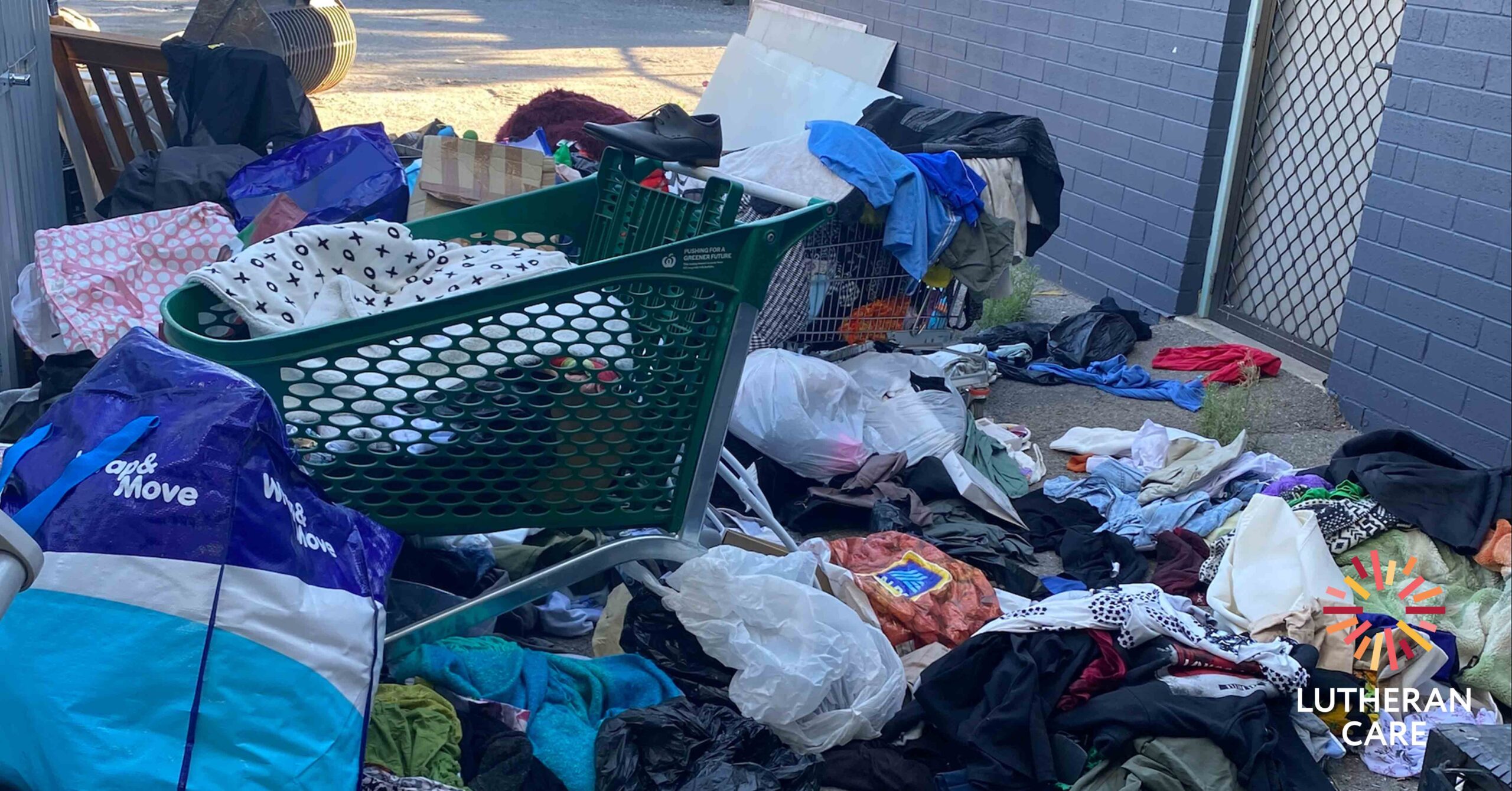
Lutheran Care has temporarily paused donations to its six South Australian op shops following an overwhelming influx of post-Christmas items, including large volumes of soiled clothing and bedding, broken goods, and items dumped outside stores.
While Lutheran Care is always grateful for the generosity of South Australians who donate good-quality pre-loved goods, more than half (55 per cent) of donations received in recent weeks have been unsuitable for resale, placing significant strain on staff, volunteers, and operations.
Lutheran Care Chief Operations Officer Percy Henry said the decision to pause donations was difficult and unprecedented.
“The sheer volume of unsuitable donations is placing significant pressure on our volunteers and staff, driving up disposal and labour costs, and putting our fundraising and essential community services at risk,” Mr Henry said.
“This pause will allow our teams time to safely and effectively work through the backlog, so our op shops can continue operating efficiently and supporting the community. Donations will resume once this backlog has been managed.”
Lutheran Care is a South Australian charity and community services organisation that has supported vulnerable local people since 1969. Alongside three annual fundraising appeals, the organisation relies on the sale of donated pre-loved goods through its op shops to help fund its in-demand Emergency Relief program, supporting families and individuals experiencing hunger, homelessness and hardship.
The organisation operates three Elcies Thrift Stores — offering a hand-picked range of higher-end brands, vintage and collectable items— located on Norwood Parade, Semaphore and Tanunda, as well as three more ‘traditional’ Lutheran Care Op Shops in Blair Athol, Smithfield Plains Shopping Centre, and at The Precinct in Smithfield Plains. Each store is staffed by volunteers under the supervision of a store manager.
Together, the stores aim to raise funds for Lutheran Care’s community services, reduce landfill, disrupt fast fashion, and provide the option of purchasing good-quality items at affordable prices instead of paying full retail price at mainstream stores.
Mr Henry understands this time of year often sees households decluttering their homes.
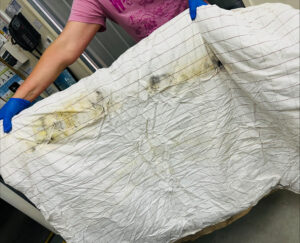
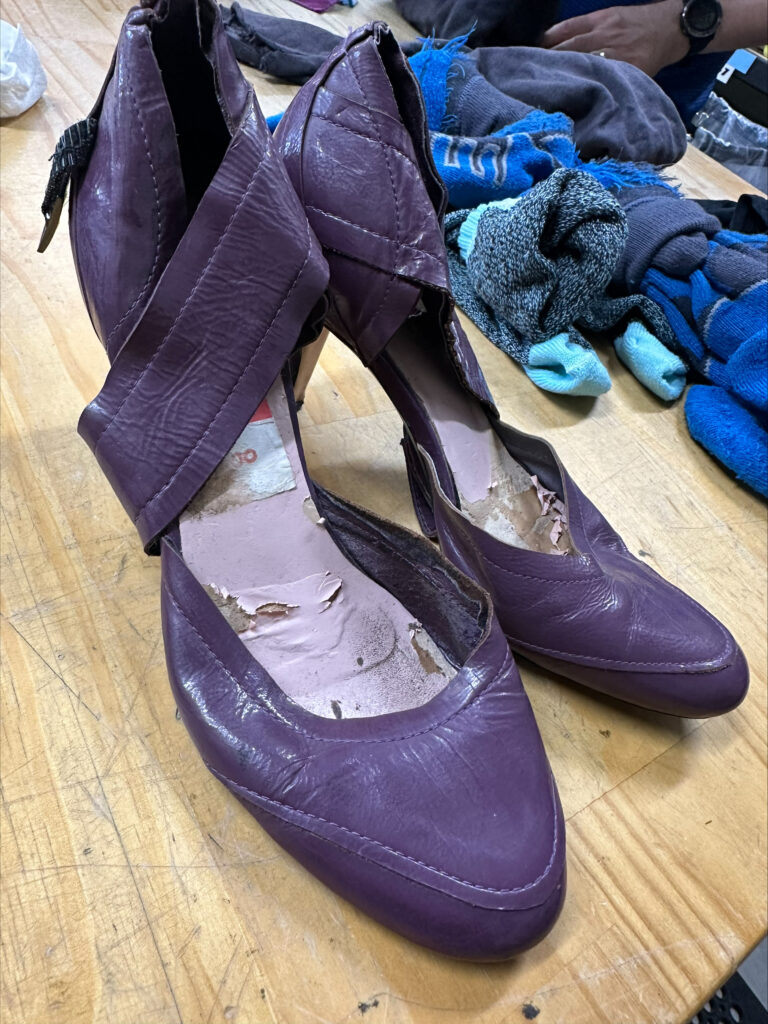
“Unfortunately, our shops can sometimes become a dumping ground for unwanted items. Volunteers have recently reported receiving soiled bedding, broken shoes, unclean underwear and other goods that are unsuitable for resale,” he said.
“That said, we want to sincerely thank — and apologise to — our regular donors, who have so generously supported us over many years by donating good-quality pre-loved goods. We acknowledge the inconvenience this pause may cause and hope to reopen donations as soon as practicable.”
Mr Henry said Lutheran Care works hard to honour donations and minimise landfill wherever possible.
“Our staff and volunteers do everything they can to get value from donated goods,” he said. “This can include small mending jobs on clothing that is otherwise in excellent condition, allowing items to be sold rather than discarded.
“Where items can’t be sold intact, we upcycle usable sections of fabric into tote bags or patchwork quilts, repurpose damaged cotton items into cleaning rags, or donate suitable goods to animal shelters.
“If donated crockery doesn’t sell, has a chip or minor damage, we may donate it to one of our partners, such as a local smash room, rather than sending it straight to landfill.
“We also recycle metals and electronics and even sell copper wiring — because we try to make every cent we raise go directly back into supporting people in need.”
However, Mr Henry said some items simply cannot be reused or sold. “We cannot sell worn out or broken items. When items are unusable, disposal becomes our problem, at our cost – and takes funds away from the people who need them.”
In the last financial year, Lutheran Care sent 65 tonnes of hard waste to landfill, comprising items that could not be sold, recycled or repurposed. January saw increased hard-waste collections. If the poor standard of donations continues, we could see an additional 34 tonnes of people’s unfit donations going to landfill.
Mr Henry encouraged donors to pause and consider the quality of items before donating: “We ask donors to be mindful and ask themselves: if you wouldn’t buy it, would you expect someone else to?
“And if you wouldn’t give it to a friend, does it belong in an op shop? There is no dignity in giving people worn-out clothing, shoes with no tread, or used underwear.”
Elcies Thrift Stores are still accepting high end goods and apparel, and encourage donors of these items to enquire at the store.
While low quality donations are paused, financial donations make an immediate difference and help Lutheran Care respond flexibly to people’s most urgent needs.
Donate online at: lutherancare.org.au/make-a-donation
For a list of goods that can and can’t be accepted by Lutheran Care, please see: lutherancare.org.au/elcies-thrift-stores/
Lutheran Care initiatives to reduce unwanted donations going to landfill:
- Lutheran Care diverts significant volumes of unsuitable textile donations from landfill by sending specific fabric items for industrial rags processing.
- 2023-2024 Financial Year: 59 tonnes
- 2024-2025 Financial Year: 68 tonnes
- In the first half of 2025-26 Financial Year Lutheran Care has diverted 48 tonnes of textiles from landfill as industrial rags. Based on the past few months, we are on track for diverting from landfill 120,000kg (120 tonnes) as industrial rags by end of Financial Year 2026 – a 76% increase compared to the year before.
- Items mended where possible for sale.
- Dress and curtain fabric provided to volunteers and church congregation members to make shopping bags, patchwork quilts.
- Unusable electronics are sent to specialised recyclers.
- Copper wires from power cords are sold to scrap metal businesses.
- In the past four months, 500kg of crockery items that have not sold or are damaged are donated to smash rooms. All broken items are recycled into road rubble after they are finished with them.
- Craft items are bundled into packs to bulk sell.
- Unusable metal items are separated and recycled through a scrap metal yard.
- Old blankets, towels, and bedding are donated to animal shelters.
- During certain events of the year, toys, books and speciality items are gifted to children in our stores.
- In store promotions – clearance, ‘free item’ and ‘fill a bag’ days.
For more information or interview opportunities, please contact Lutheran Care’s Head of Public Relations, Katrina Ranford: 0420 786 782 or kranford@lutherancare.org.au