
Diversity, Inclusion and Foster Care
We welcome foster care enquiries from all walks of life.
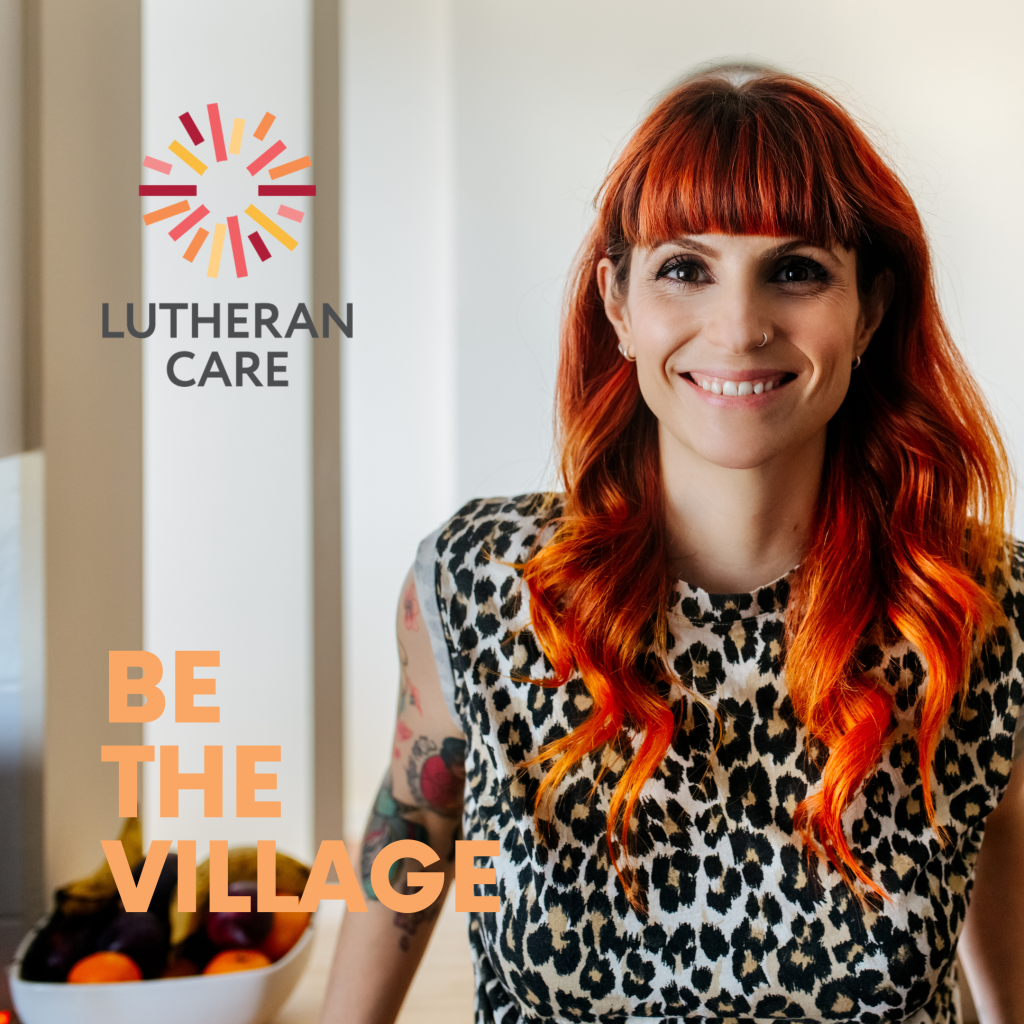
Lutheran Care supports various LGBTIQ+ and foster families in our care community. All foster families provide is providing care and nurture to vulnerable children and young people and making an incredible, lifelong difference in their lives.
In addition to recruiting LGBTIQ+ foster carers, we attend South Australia’s annual Feast Festival Picnic in the Park to help raise awareness and promote the message that LGBTQI and same-sex families can become and are great foster carers.
We have the normal challenges that all families have, but we feel our relationship has grown stronger and we have become much closer.
Our friends have been great and very accepting, and we have made new friends through fostering networks and support groups we are now part of. We have become a complete family and life for us all is just wonderful.Jen & Terri - Same Sex Foster Carers
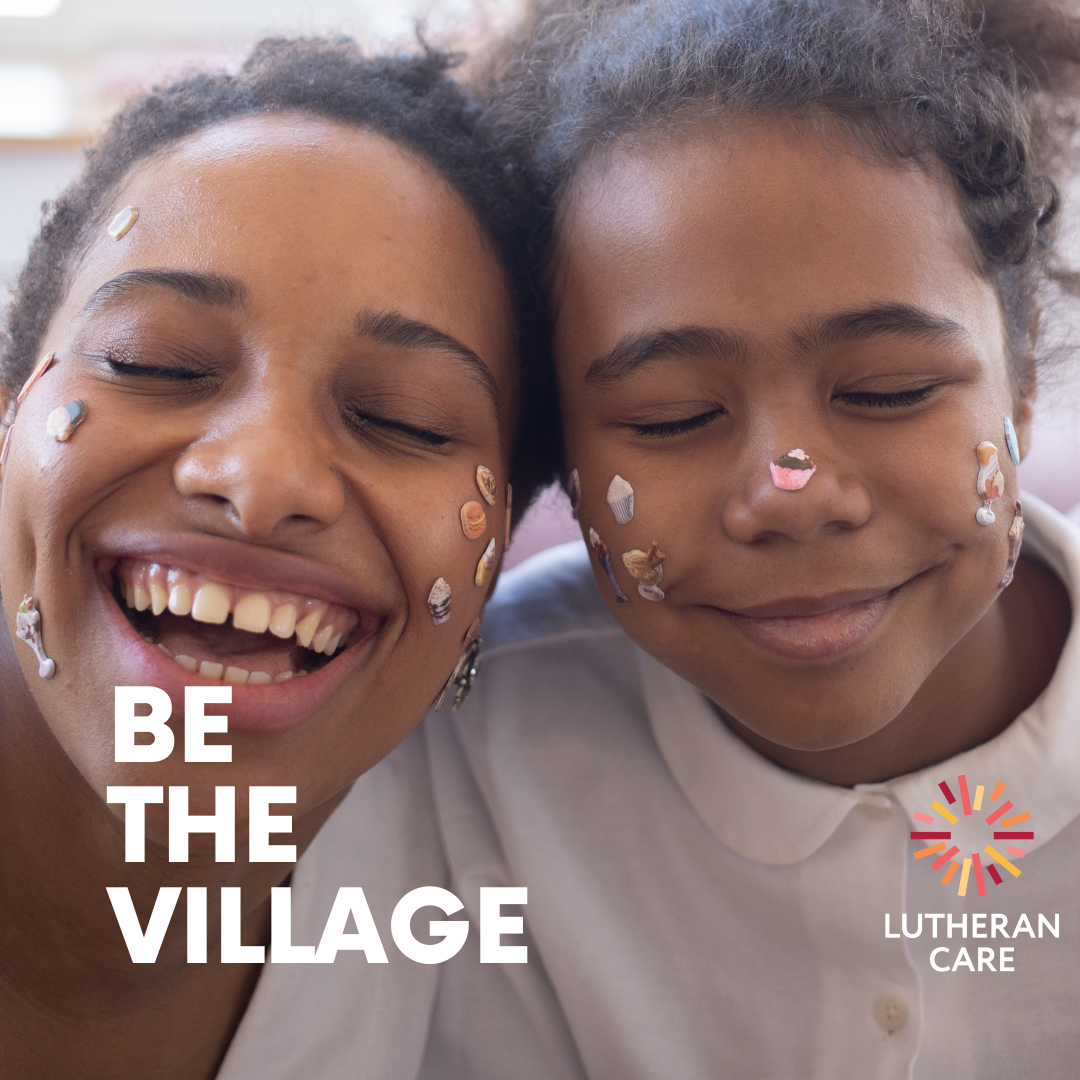
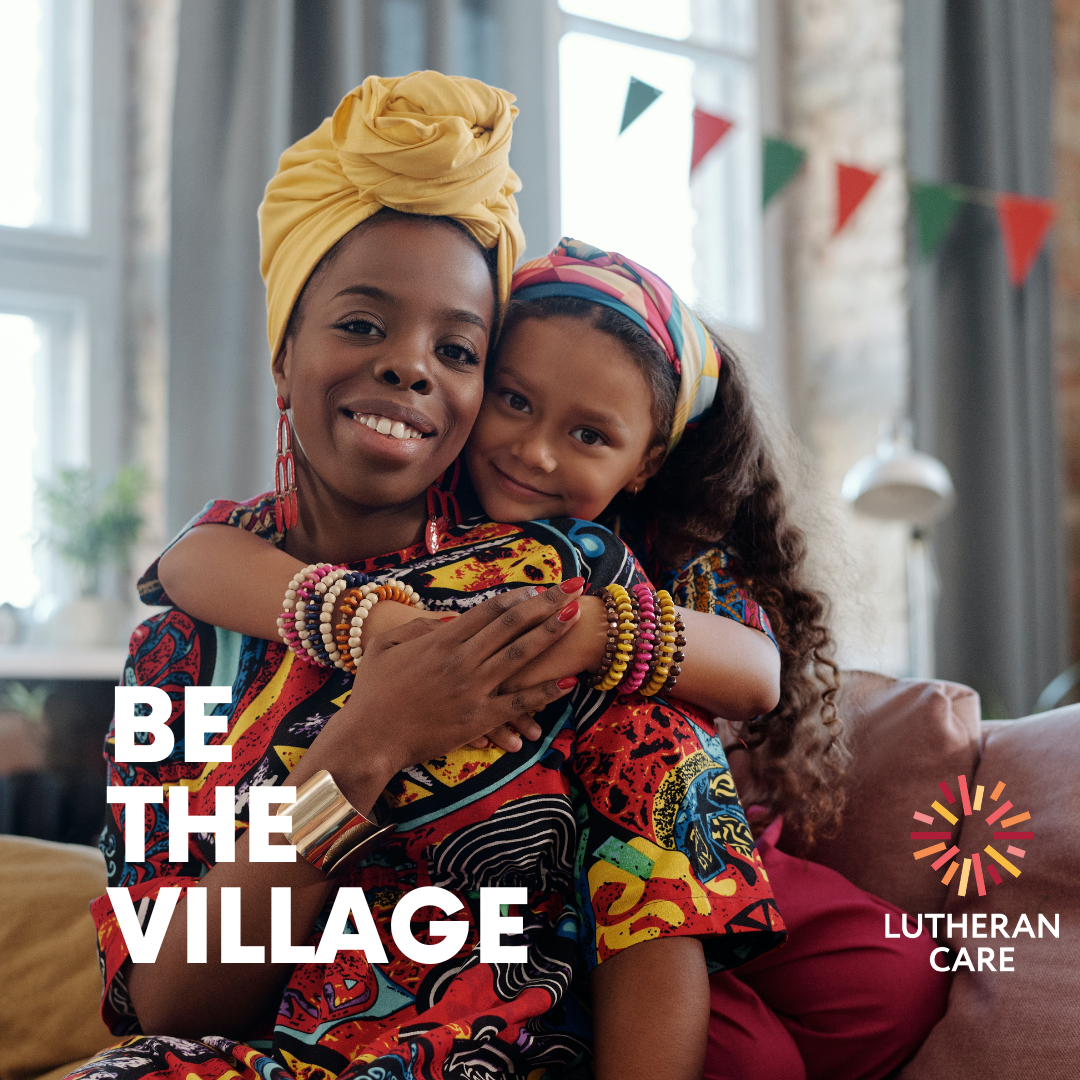

When Foster Carers invite children or young people in need to be a part of their family, whether that’s for a short time or a long time, it has the potential to be life-changing; for both the carers and the children. Fostering is both challenging and rewarding. Carers provide emotional support and care for a child’s day-to-day needs and support the child in their educational and recreational activities.
Yes! Lutheran Community Care actively supports many foster carers who are single or are the sole resident of the home. Single foster carers can make great foster parents regardless of their sexual orientation. Couples can also foster. Couples can be married or in de facto relationships.
Absolutely! We proudly journey alongside and support many same-sex foster families who are each providing exceptional care to the children and young people in their care.
Children and young people of all ages and from diverse cultural backgrounds benefit from Foster Carers that are committed to ensuring they can grow up safe and strong in community, cultural identity, and belonging. Lutheran Care's skilled team, your allocated Foster Care Case Worker and our Multicultural Worker can help connect you to community groups, cultural leaders, places of worship, community events and supermarkets (among many other services!) that can support Foster Carers in caring for and nurturing a child from a different cultural background than their own.
Yes, there is a foster carer allowance paid to registered foster carers which varies depending on the needs of the children and young people in your care and the type of fostering you provide. In the general sense, this is considered financial assistance to reimburse and help cover the costs of the children in your care and is not considered an income.
To become a foster carer, you will undergo an assessment process where your maturity, health and lifestyle is considered within the context of the type of care you would like to provide. Some of the characteristics and personal qualities of successful foster carers include flexibility, teamwork, communication, acceptance, playfulness and a commitment to lifelong learning.
When Foster Carers invite children or young people in need to be a part of their family, whether that’s for a short time or a long time, it has the potential to be life-changing; for both the carers and the children. Fostering is both challenging and rewarding. Carers provide emotional support and care for a child’s day-to-day needs and support the child in their educational and recreational activities.
Yes! Lutheran Community Care actively supports many foster carers who are single or are the sole resident of the home. Single foster carers can make great foster parents regardless of their sexual orientation. Couples can also foster. Couples can be married or in de facto relationships.
Absolutely! We proudly journey alongside and support many same-sex foster families who are each providing exceptional care to the children and young people in their care.
Children and young people of all ages and from diverse cultural backgrounds benefit from Foster Carers that are committed to ensuring they can grow up safe and strong in community, cultural identity, and belonging. Lutheran Care's skilled team, your allocated Foster Care Case Worker and our Multicultural Worker can help connect you to community groups, cultural leaders, places of worship, community events and supermarkets (among many other services!) that can support Foster Carers in caring for and nurturing a child from a different cultural background than their own.
Yes, there is a foster carer allowance paid to registered foster carers which varies depending on the needs of the children and young people in your care and the type of fostering you provide. In the general sense, this is considered financial assistance to reimburse and help cover the costs of the children in your care and is not considered an income.
To become a foster carer, you will undergo an assessment process where your maturity, health and lifestyle is considered within the context of the type of care you would like to provide. Some of the characteristics and personal qualities of successful foster carers include flexibility, teamwork, communication, acceptance, playfulness and a commitment to lifelong learning.
Diversity, Inclusion and Foster Care
Foster Care is a journey.

The journey doesn’t begin or end when you welcome a new child into your life and home – but it is a profoundly new chapter in your life. Lutheran Care walk alongside Foster Carers and support them as they navigate the challenges and enjoy the rewards of sharing your family and dedicating yourselves to meeting the needs and best interests of the children and young people in your care.
Contact our friendly and professional team to learn more or take the next step in your fostering journey.
- 08 8337 8787
- fostercare@lutherancare.org.au
Types of Care
Types of Care
More InformationInformation Sessions
Information Sessions
More InformationWho Can Foster
Who Can Foster
More InformationConnection to Culture
Connection to Culture
More InformationBecoming a Foster Carer
Becoming a Foster Carer
More InformationContact Us
Contact Us
More InformationBut it's the best thing we ever did.... we encourage others thinking about fostering to just give it a shot.