Lutheran Care is issuing another callout to its valued supporters to rethink what they donate to op shops, following a renewed surge in low-quality items that are placing pressure on staff, volunteers and services.
In January this year, the organisation made the difficult decision to temporarily pause donations across all of its South Australian stores after being overwhelmed by an influx of unusable goods which equated to 55 per cent of donations at the time. While donations have since resumed, similar challenges are re-emerging, with a growing proportion of items once again deemed unfit for resale.
Lutheran Care operates three Elcies Thrift Stores in Norwood, Semaphore and Tanunda, alongside more traditional op shops in Blair Athol and Smithfield Plains. Profits from all stores directly support essential community programs, including Emergency Relief services for individuals and families facing financial hardship, hunger and homelessness.
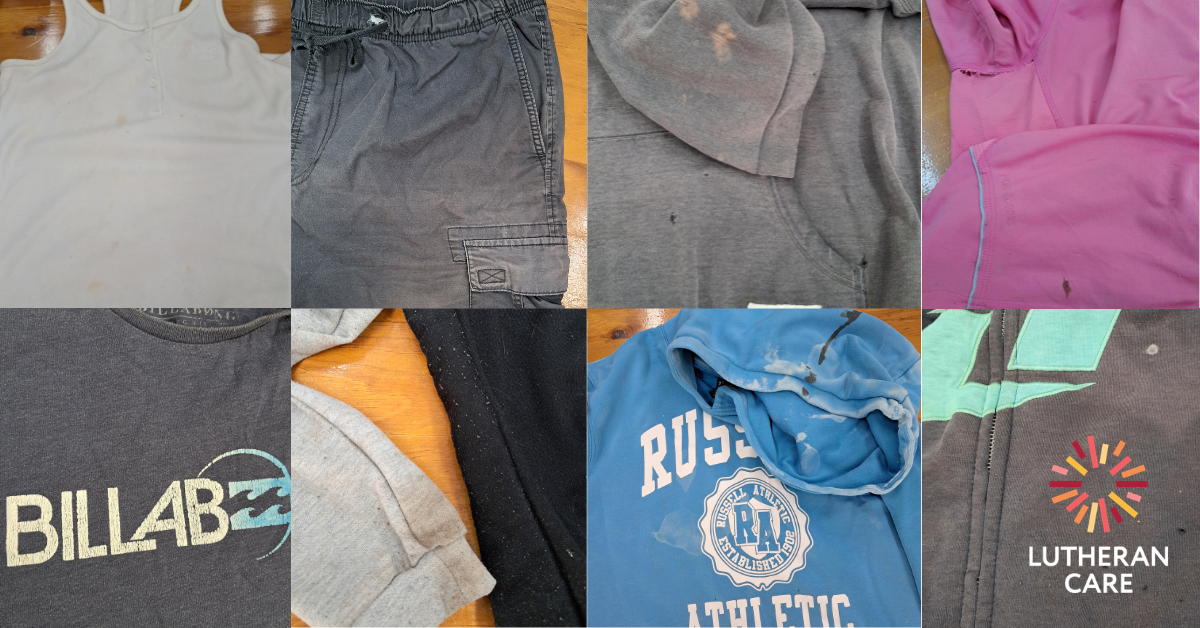
Op shop teams remain grateful for the generosity of donors, but recent trends are making their work significantly more difficult. An influx of recent donations have been unsuitable for sale, including soiled, ripped and stained clothing. Processing these items comes at a cost. Volunteers and staff must spend valuable time sorting through unusable goods, and disposal costs reduce funds that would otherwise go directly towards helping people in need.
Items that cannot be sold — such as clothing with stains, holes or excessive wear — ultimately become landfill, despite every effort to avoid this outcome.
Lutheran Care relies on op shop revenue as a key funding stream for its community programs. When donations cannot be sold, the impact goes beyond the shop floor. In the last financial year alone, the organisation sent 65 tonnes of hard waste to landfill — items that could not be reused, recycled or repurposed. If current trends continue, a further significant increase is expected.
Every dollar spent on waste disposal is a dollar not spent supporting South Australians doing it tough.
Quality donations, on the other hand, directly support dignity, affordability and sustainability. They ensure customers can access good-quality items at low cost while helping reduce landfill and challenge fast fashion.
Lutheran Care teams work hard to maximise the value of every item donated and divert items from landfill, including reclaiming good sections of unsellable fabrics to upcycle as totes or patches for patchwork quilts. Additionally, cottons can be cut and sold as rags, and chipped crockery donated to a ‘Smash Room’.
“We do try to avoid landfill… we we try to get a little bit creative to avoid that as much as possible,” said Elcies Tanunda Manager, Halia Maynard.
“But when it comes to donations, if you wouldn’t buy it, would you expect somebody else to? If the answer is no, chances are we can’t sell it either.”
“There is no dignity in giving people worn-out or unusable items,” Lutheran Care said. “We encourage people to think carefully about whether their donation is something they would be proud to give to a friend.”
A message to donors:
As households continue to declutter, particularly after seasonal clean-outs, Lutheran Care is asking donors to prioritise quality over quantity.
Lutheran Care is incredibly thankful for every thoughtful donation however items that are damaged or unclean ultimately cost money to dispose of and reduce capacity to support the community.
When preparing donations, we ask that items are clean, in good condition and ready for a new home, to maximise the impact of our donors’ generosity. For those unsure, financial donations remain one of the most effective ways to help, allowing Lutheran Care to respond flexibly to the most urgent needs. You can donate to the 2026 Winter Appeal here.
✅ Op Shop Donation Guide: A Quick Checklist
To ensure your donation can make the biggest possible impact, please check the following:
✔️ Clean and fresh – Items should be washed and free from odours
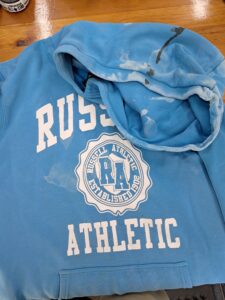
✔️ Good condition – No stains, holes, fading or bleaching
✔️ Fully functional – Zips, buttons, drawstrings and components intact
✔️ No excessive wear – Avoid stretched fabrics, pilling, worn collars or cracked prints
✔️ Complete items – No missing parts or broken pieces
✔️ Safe and hygienic – No used underwear or soiled bedding
✔️ Resell-ready – Ask yourself: Would I give this to a friend? Would I buy it myself? If the answer is no, consider recycling or responsible disposal options instead.